Epoxy Flooring vs. Traditional Options: What Nebraska Property Owners Must Understand
When it comes to upgrading and upgrading floors in their homes, local homeowners have a variety of options to consider. Among these, epoxy options has emerged as a standout choice for numerous due to its durability, versatility, and aesthetic appeal. Whether you're considering a garage floor makeover or looking to enhance commercial spaces with industrial epoxy, understanding the benefits of epoxy flooring can help homeowners make wise decisions that suit their specific needs.
In this document, we will explore the main differences between epoxy flooring and conventional flooring options. From the convenience of installation and maintenance to the unique attributes like anti-slip properties and chemical resistivity, we will provide a comprehensive overview. We will also cover particular applications, such as basement epoxy floors and showroom floor coatings, while pointing out special offers and free estimates available for those interested in this game-changing flooring solution. If you are planning a seasonal garage renovation and looking to upgrade your kitchen flooring, knowing the details of epoxy floor coating can make all the difference.
Understanding Epoxy Surfaces
Polymeric flooring is a long-lasting and versatile flooring choice that has gained recognition among property owners and businesses in Omaha. It consists of a resin and hardener that, when blended, create a strong and long-lasting surface. This flooring choice is particularly fitting for areas that require a strong, chemical-proof surface such as garages, lower levels, and industrial spaces. With its continuous finish, epoxy supplies an attractive look while enhancing the usability of the space.
One of the main advantages of epoxy flooring is its waterproof properties. This makes it an excellent choice for areas likely to face moisture, such as cellars and decks. Additionally, the easy-to-clean nature of epoxy floor coatings streamlines maintenance, allowing homeowners to keep their spaces looking immaculate with few effort. For Polyaspartic floor coating, looking for a garage floor renovation, epoxy choices include metallic and 3D designs that can elevate the visual appeal of any garage.
Another attractive aspect of epoxy flooring is its non-slip qualities, making it a reliable choice for both domestic and factory environments. From food service kitchen flooring to car repair floor coatings, epoxy delivers a level of safety while ensuring durability. Comprehending the merits of epoxy can help Omaha property owners make informed decisions regarding their flooring preferences, whether for home or business purposes.
Advantages of Epoxy Over Conventional Options
Epoxy flooring offers superior resilience than conventional floor types. While tile and wood can wear down with time and require ongoing care, epoxy flooring provides a robust surface that can withstand heavy foot traffic, spills, and including chemical contact. This renders it particularly suitable for areas such as garages, business environments, and industrial settings where daily wear and tear is a concern. Property owners can expect a enduring floor that maintains its integrity over the years.
Another significant advantage of using epoxy is its simplicity of maintenance. The seamless finish stops grime and grime accumulation, allowing for fast and efficient maintenance. With conventional floor types, grout lines or patterns can hold bacteria and marks, which makes upkeep more difficult. The non-porous nature of epoxy non-porous nature is greatly advantageous for property owners who want to keep a neat and sanitary environment, especially in garages, kitchens, and basement areas where accidents are more frequent.
In addition, epoxy can enhance the aesthetic appeal of a room. With options like metallic epoxy garage floors and 3D epoxy flooring, homeowners are able to achieve a contemporary and polished appearance that traditional materials like cement or ceramic fall short of matching. The versatility of epoxy allows for customization in hue and design, making it suitable for various environments—from restaurant kitchen flooring to flooring in showrooms—enhancing both utility and aesthetic qualities.
Applications of Epoxy Flooring Solutions
Epoxy finishes is a flexible solution that can be used in different settings, making it an excellent choice for Omaha homeowners. One of the most frequent applications is in home garages, where the strength and ease of maintenance of a garage floor epoxy make it a favored option. With a anti-slip floor coating and moisture-resistant properties, an epoxy garage floor not only boosts the look of the space but also provides durable protection against routine wear and tear.
Commercial and manufacturing environments also benefit from epoxy flooring due to its resistant to chemicals properties. Companies such as restaurants and auto shops often require a floor that can tolerate spills, stains, and heavy foot traffic. Commercial epoxy flooring solutions offer reliable protection while ensuring an hassle-free to maintain garage floor or kitchen area, which is critical for maintaining hygiene standards and operational efficiency.
Moreover, epoxy flooring can be applied in innovative ways, such as in retail floor coating or even 3D epoxy flooring designs. Homeowners looking to elevate their basement or patio spaces can take benefit of metallic epoxy garage floors to create stunning visuals. Whether it’s for a seasonal garage renovation or a one-of-a-kind basement epoxy floor finish, the applications of epoxy flooring are as multifaceted as the properties it enhances.
Cost and Installation Considerations
When considering the use of epoxy flooring in your Omaha home or commercial space, it's essential to consider the overall cost, which generally includes both materials and labor. Pricing per square foot can vary based on the epoxy type chosen, including a metallic epoxy garage floor as well as self-leveling epoxy floor, as well as the complexity of the installation. To get Garage floor epoxy, -depth analysis, requesting a quote for epoxy floor installation from a local contractor is advisable. Keep in mind that investing in epoxy flooring can provide long-term savings due to its durability and resistance to wear.
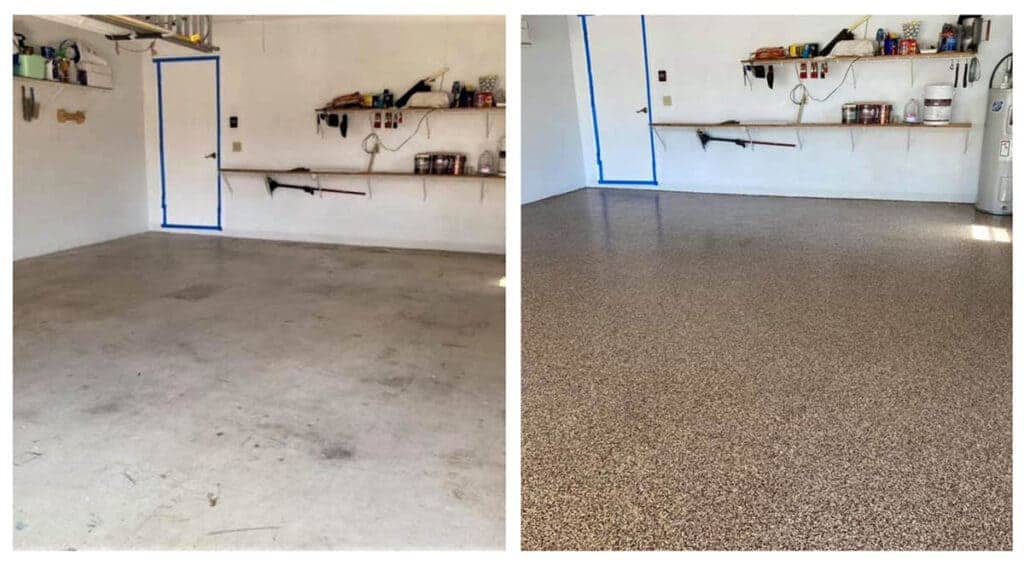
Considerations for installation are essential to the cost. Spring garage renovation, of epoxy floors often necessitates surface preparation, such as the processes of cleaning, repairing, and curing, to ensure optimal adhesion and longevity. If you are considering a spring garage renovation and a full makeover, ensure you research experienced contractors in the area who specialize in epoxy. Correct application is essential for enhancing the visual appeal and functional characteristics of the area, like having a garage floor that is easy to clean along with a coating that resists slipping.
In conclusion, it’s important to consider the longevity of your investment. Epoxy floors can last from 10 to 20 years, based on the quality of the material and maintenance practices. If you compare epoxy with polyurea floor coatings, you can discover choices that meet your requirements in terms of durability and performance, particularly in commercial and industrial contexts for instance, in restaurant kitchens or coatings for warehouse floors. Always consider the long-term advantages when comparing the initial costs of epoxy against traditional flooring options.
Care and Durability of Resin Floors
Maintaining epoxy floors is relatively simple, making them an appealing option for Omaha homeowners. Routine cleaning with a gentle detergent and water is usually enough to keep surfaces looking their best. For garage floor epoxy or residential epoxy flooring, a soft broom or mop can assist eliminate dirt and debris without damaging the finish. It’s important to stay away from harsh chemicals that could harm the epoxy coating over time.
In terms of durability, epoxy flooring is known for its durability. When properly installed and maintained, epoxy floors can last anywhere from 10 to 20 years, depending on the environment and usage. Factors such as exposure to harsh temperatures, increased foot traffic, and chemical spills can affect their lifespan. For business epoxy flooring used in dining establishments or warehouses, regular inspections and touch-ups may be required to ensure an ideal surface.
Homeowners should also consider seasonal changes when scheduling maintenance. Spring garage renovations are an ideal time to inspect and clean epoxy floors to tackle any wear and tear from the winter months. Additionally, investing in slip-resistant floor coatings can improve safety, especially in areas susceptible to moisture, ensuring that the floor remains functional and visually appealing for years to come.